More Swedish unions join fight against EU pouch bans
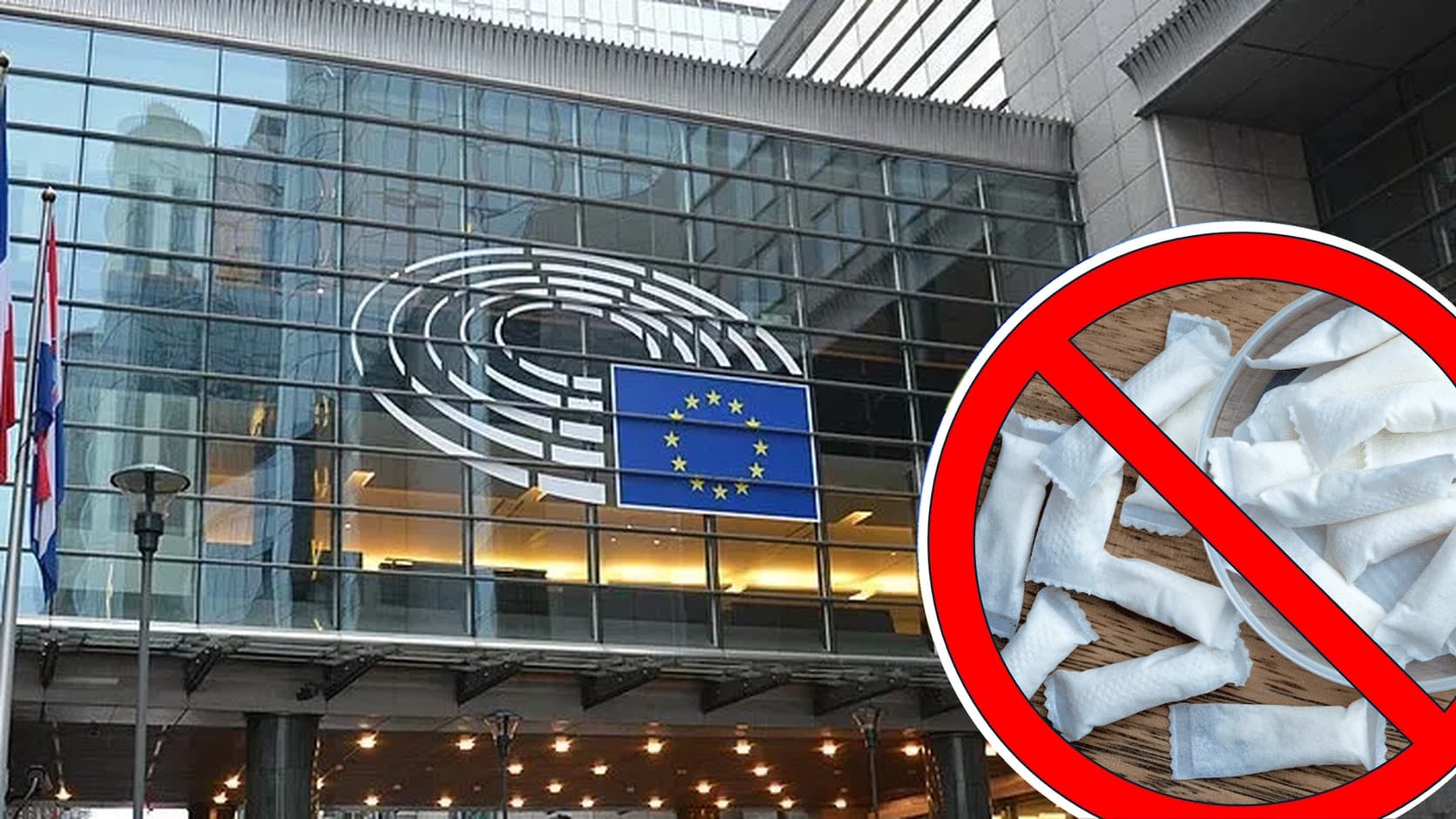
Four Swedish industrial unions have joined forces to warn that a push by eight EU countries to ban nicotine pouches threatens thousands of Swedish jobs – the clearest sign yet of a broadening consensus across the labour movement behind Sweden’s snus industry.
In October, the Swedish Food Workers’ Union, Livs, demanded that the government investigate what proposed EU nicotine bans could mean for jobs in Sweden’s snus factories.
A month later, Livs is no longer making the case alone.
In a joint op-ed in Swedish business daily Dagens Industri on 20 November, Livs was joined by three more industrial unions – IF Metall, GS (the union for workers in the forestry, wood and graphic industries), and the Swedish Paper Workers’ Union, Pappers – in warning that national bans on nicotine pouches put thousands of Swedish jobs, exports and investments at risk.
“We are not defending companies’ profits or products. We are defending our members’ jobs,” write the four union presidents: Nataša Stojković of Livs, Marie Nilsson of IF Metall, Madelene Engman of GS and Pontus Georgsson of Pappers.
Eight EU countries want to ban pouches
The trigger is a letter sent on 6 October by the Netherlands, Belgium, Finland, France, Hungary, Latvia, Slovenia and Spain to EU Health Commissioner Olivér Várhelyi.
The eight want the upcoming revision of the Tobacco Products Directive (TPD) to let member states ban nicotine pouches outright, and to stop new nicotine products from reaching the EU market.
For the unions, the stakes are high.
Citing an August report from the Swedish Food Federation (Livsmedelsföretagen), they note that Sweden’s snus and nicotine industry employs around 3,300 people directly and roughly 10,000 across the value chain, with exports worth close to SEK 7 billion a year.
Those jobs are spread across Gothenburg, Kungälv, Malmö, Sävsjö, Vårgårda, Upplands-Bro and Enköping – and across occupations, from industrial workers and machine operators to packaging staff, technicians, white-collar employees and engineers.
“Behind the figures are our members, their families and local communities,” the union leaders write.
A growing Swedish consensus on pouches
The op-ed is the latest step in a steadily widening front.
Livs first raised the alarm earlier this year over EU plans for minimum taxes on nicotine pouches.
In June, Stojković told Snusforumet that workers were being overlooked in Europe’s nicotine debate. In August, she co-wrote a Dagens Industri op-ed with Social Democrat Kenneth G. Forslund arguing that Swedish nicotine exports should be treated as a matter of industrial and export policy, not only public health.
Local union branches have weighed in too. At Skruf’s factory in Sävsjö, the local Livs chapter has warned that around 75 jobs would be lost if the proposed EU minimum tax on nicotine pouches becomes reality.
Now three more unions from across Swedish manufacturing have put their names to the cause.
“Union solidarity means standing up for each other’s jobs, even when the issues are politically difficult,” they write.
“We don’t need to agree on every detail of nicotine policy.”
‘Who will defend Swedish jobs in Brussels?’
The unions are sharply critical of how Sweden has made its case so far. When the European Commission consulted member states on the coming product rules, it also asked about the consequences for employment.
According to the unions, the reply from Sweden’s Ministry of Health and Social Affairs ran to 24 pages but contained no concrete account of how thousands of Swedish jobs could be affected.
“That is more than remarkable. Who will defend Swedish industrial jobs in Brussels if not Sweden itself?” they write.
Timing adds urgency to the union’s plea. Sweden accepted a compromise on EU tobacco taxation on 9 November, the unions note, but the Commission’s proposal for new product rules is expected around the turn of the year – and there, they point out, Sweden has no veto.
The union leaders want the government and parliamentary parties to unite behind a Swedish position and build alliances with other member states. They also call for an independent impact assessment of how tax and product rules together affect Swedish jobs, production, investment and exports should be carried out swiftly, in parallel with the EU negotiations.
At the same time, the unions back tough measures to protect young people, including stricter enforcement of age limits, a ban on proxy purchasing and a ban on marketing that appeals to youth.
But total bans, they argue, risk fuelling criminal markets and replacing legitimate jobs with black-market ones.
Sweden as ‘the voice of reason’
Patrik Strömer, Secretary General of the Association of Swedish Snus Manufacturers, welcomes the unions’ intervention and sees it as part of a bigger argument about Europe’s direction.
“When other countries’ ministers demand bans on innovation two years after the Draghi report, Sweden needs to be the voice of reason,” he says, referring to former ECB president Mario Draghi’s 2024 report warning that Europe is falling behind on innovation and competitiveness.
“Snus has helped reduce smoking, and Sweden has the lowest share of smokers in the EU. Other countries can make that journey too.”
Strömer also sees something distinctly Swedish in the unions’ stance.
“Swedish trade unions have historically been more willing to embrace innovation and development than in many other European countries,” he says.
“That is a strength for Sweden.”
With the Commission’s TPD proposal due around the turn of the year, and Sweden still forming a new government, the four union leaders’ message to Swedish politicians is that the window to act is closing.
“We have built a world-leading Swedish industry. Now politics must take responsibility for ensuring that it also has a future,” they write.