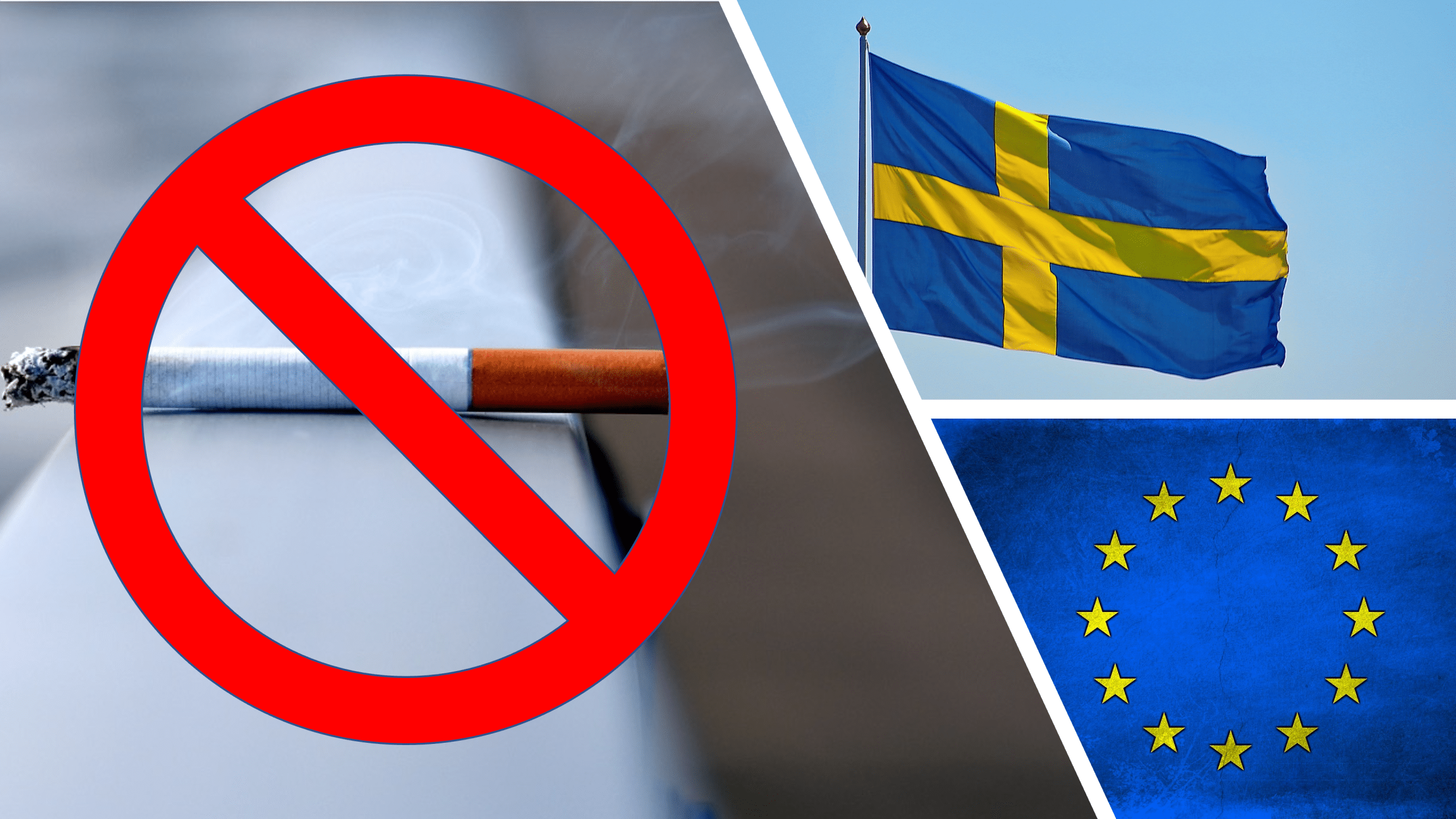
Swedish health minister slams France pouch ban: ‘idiotic’
Sweden’s minister of health Elisabeth Lann has rebuked France’s ban on nicotine pouches while reaffirming her support for harm reduction in nicotine policy.
Lann’s criticism of France emerged during an interview on a Swedish health and lifestyle podcast when discussing the growing European debate over nicotine pouches, including France’s decision to ban them.
The ban, which came into force on April 1, 2026, calls for penalties for anyone caught in possession of nicotine pouches. Cigarettes, meanwhile, remain legal in France.
“Purely from a health perspective, I think it’s idiotic that they allow smoking and have such incredibly big problems with smoking, and then they target nicotine pouches,” the Christian Democrat health minister said on the Hälsa för ohälsosamma (‘Health for the unhealthy’) podcast, produced by the Environment and Public Health Institute (EPHI) think tank.
“That’s really straining at gnats and swallowing camels.”
Harm reduction, not ‘moralism’
At the same time, Lann stressed that public health policy should primarily remain a national matter. However, she added that there must be “very strong reasons” to restrict the free movement of goods within Europe.
Asked whether she supports the concept of harm reduction in nicotine policy, Lann was unequivocal.
“Absolutely. It is the only reasonable approach,” she said.
According to Lann, refusing to distinguish between different nicotine products risks turning public health policy into moralism. She argued that downplaying the harms of smoking is “reprehensible” and not a responsible way to protect public health.
She lamented that discussions around nicotine pouches often lack “sense and balance”, with some critics portraying youth pouch use as a path to death or criminality. At the same time, industry voices may go too far in claiming to be “public health prophets”.
“We know that smoking is incredibly more dangerous than using snus,” Lann said. Sweden’s low smoking rate, which is now below five percent, is “a huge public health gain” she added.