Sweden blocks EU compromise on nicotine pouch tax hike
EU negotiators failed to reach an agreement on new minimum taxes for tobacco and nicotine products after Sweden refused to back down from its opposition to the latest compromise revision of the Tobacco Excise Directive (TED).
After months of negotiations, EU member states were ultimately unable to agree on the European Commission’s controversial proposal for new minimum taxes on tobacco and nicotine products put forward by Cyprus, which currently holds the rotating EU Council presidency.
“Unfortunately, despite our efforts in recent months, it is not possible to reach an agreement,” a Cypriot spokesperson said in a statement.
Opposition from Sweden was cited as the primary obstacle to reaching an agreement on the proposed TED revision. Having failed to reach the unanimity required for tax decisions, the proposal will be left off the agenda at the next meeting of EU finance ministers scheduled for June 12th.
The TED proposal aimed to modernise the EU’s tobacco taxation framework while expanding it to cover new nicotine products, including nicotine pouches. The Commission has argued that current rules, which date to 2011, do not reflect market developments and that significant differences in taxation between member states create problems for the functioning of the single market.
Sweden refuses to budge
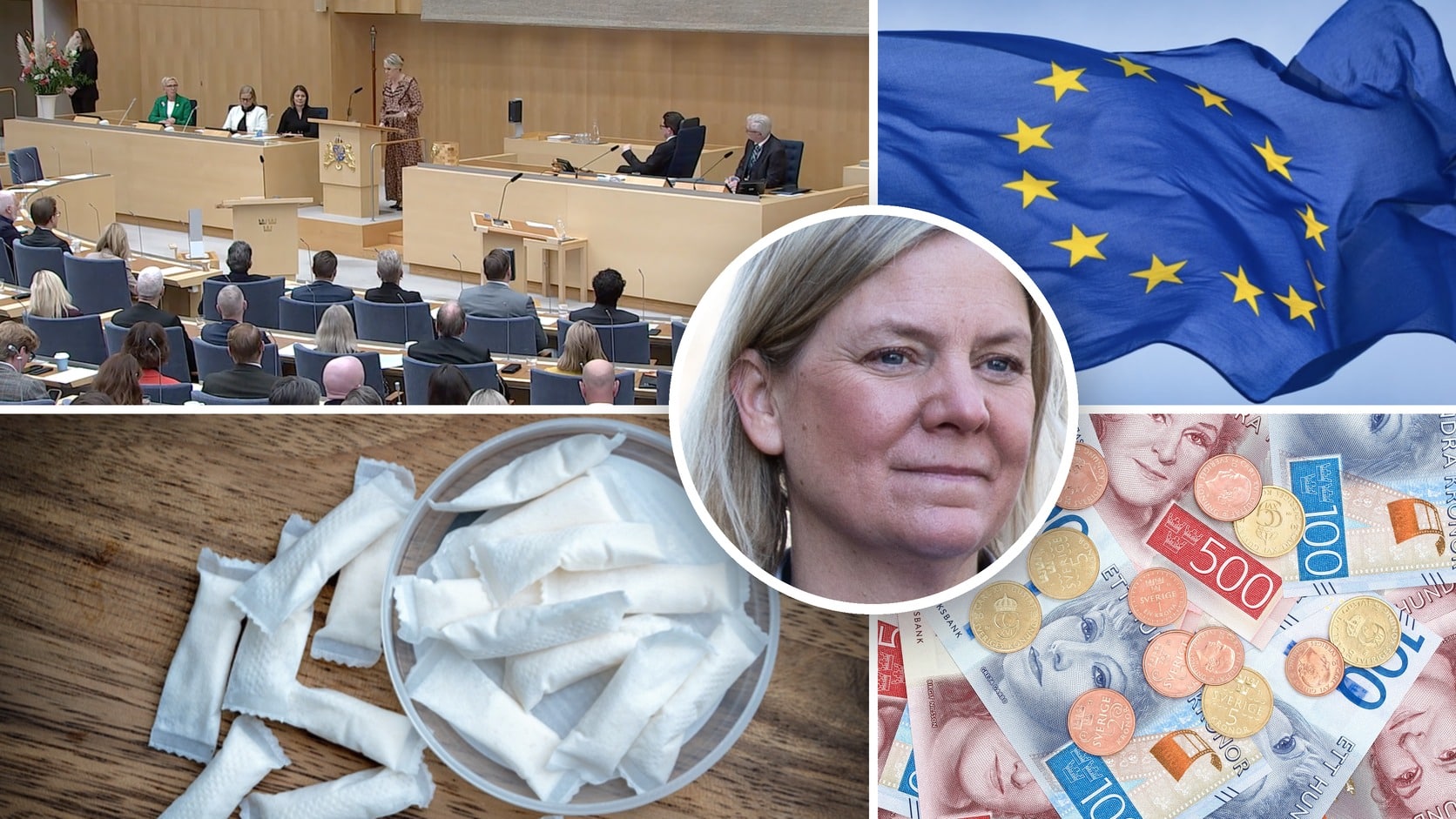
Under the Cypriot Presidency’s compromise proposal, nicotine pouches would have been taxed at approximately SEK 1,045 per kilogram — more than double the current rate for tobacco snus.
Throughout the process, Sweden opposed treating nicotine pouches the same way as other tobacco and nicotine products under the EU tax system. The Swedish government had argued that smoke-free alternatives should be treated differently from cigarettes and that member states must retain the ability to shape their policies according to national circumstances.
Following the meeting, Finance Minister Elisabeth Svantesson of the centre-right Moderate Party welcomed Sweden’s success in blocking the proposal, referring to nicotine pouches as “white snus”, as the products are commonly known in Sweden.
“We’re now stopping the EU from raising taxes on snus!” she wrote on X.
“I promised Swedish snus users that we wouldn’t allow the EU to impose a shock tax increase on white snus, and now I am delivering on that promise. I will always put the interests of Swedes first. Other countries do not decide the future of our snus.”
Industry representatives also viewed the outcome as an important signal from Sweden to the rest of Europe.
“It’s of course positive that Sweden continues to stand up for the Swedish model and for the products that have helped us achieve the lowest smoking rate in the EU,” says Patirk Strömer, Secretary General of the Association of Swedish Snus Manufacturers.
“At the same time, this is not over. The discussion shows that many policymakers in Europe still struggle to learn from the most successful country when to comes to reducing smoking. That should be the starting point for the next phase of the process.”
Future negotiations, alternative revisions
The failure of member states to reach an agreement doesn’t mean the issue is settled.
The European Commission continues to push for a TED revision of tobacco taxation rules, and several member states support introducing common minimum taxes for new nicotine products. The issue is therefore expected to return in future negotiations when Ireland takes over the EU Council presidency in July.
At the same time, a European Parliament subcommittee passed its own set of recommended TED revisions on June 3rd that proposed slightly less aggressive tax increases compared to the Commission’s proposal.
“I believe a differentiated treatment of products according to their specificities, patterns of use, and risk profiles is essential,” said Czech MEP Tomáš Kubín, the rapporteur appointed by the parliament’s Committee of Economic and Monetary Affairs to draft the recommendations and lead negotiations on the matter.
A call for ‘evidence-based’ rules
He emphasised the parliament’s proposal was “not about weakening the Commission’s objectives” but trying to find a workable solution that would protect public health, member state tax revenues, and reduce incentives for fraud.
He hoped for rules “based on proportionality and evidence rather than a one-size-fits-all approach”.
Last updated in 2011, the TED establishes minimum excise duty rates for cigarettes and other tobacco products.
The revision would set minimum tax rates not only for cigarettes but also for novel products like vapes, heated tobacco, and nicotine pouches.
The TED revision was originally scheduled for 2022 in an attempt to help regulations keep up with a rapidly evolving market for tobacco and nicotine.
For Sweden, the outcome means that the current taxation of nicotine pouches will not be affected by any new EU regulations for the time being.
“If the goal is to reduce smoking, the EU should study Sweden’s results far more closely than it does today,” says Strömer.