Nordic nicotine industry to EU: Stop treating pouches like cigarettes
Nordic nicotine manufacturers have warned the EU risks making a mistake in its nicotine policy, calling for more nuanced and carefully calibrated regulations that take relative risks into account.
In a joint letter sent to European Commission President Ursula von der Leyen, the organisations explain that misconceptions about the risks of nicotine may paradoxically make it more difficult for European smokers to quit.
The letter comes at a sensitive time, amid increasing pressure of stricter regulations and an expected update of the EU’s Tobacco Products Directive (TPD)-
In addition, a coalition of cancer organisations – the Nordic Cancer Union – recently called on the Commission to enact stricter measures on smokeless nicotine products, including proposals for flavour bans, further marketing restrictions, and higher taxes.
The industry’s letter, signed by representatives from nicotine manufacturing associations in Sweden, Norway, Denmark, and Finland, is a direct response and presents a different perspective.
“A carefully balanced and risk-proportionate framework, one that accelerates the decline of combustible smoking while preventing the unintended expansion of illicit markets, is essential to achieving the Union’s health and enforcement objectives,” they write.
Policy must reflect actual risks
The stems, not from a disagreement about nicotine policy goals, but from what is the best path for achieving them. The industry organisations explain that they share the cancer groups’ ambition to reduce smoking, protect young people, and combat illegal trade.
But they warn against policies that fail to take into account the risk profiles of different products. When considering policy approaches, they emphasize the need for a clearer risk differentiation between cigarettes and smokeless nicotine products.
The nicotine group’s letter highlights the Nordic countries to illustrate their concerns. The letter points to Sweden as a concrete example of successful policy choices. The availability of snus and nicotine pouches coincides with significantly lower smoking rates compared to the rest of the EU. These achievements should weigh heavily in the legislation, they argue.
At the same time, there are unintended consequences in the other Nordic countries. In Denmark, flavour restrictions are believed to have contributed to a growing illicit market for e-cigarettes. In Norway, where nicotine pouches aren’t sold legally, consumers instead turn to unregulated channels. Demand does not disappear due to too strict regulation, the letter explains. Rather, it simply shifts, making it harder for regulators to monitor and maintain control.
‘Nicotine does not cause cancer’
Another dimension of the Nordic Cancer Union relates to persistent myths about the potential health risks associated with nicotine.
“Nicotine is addictive, but it does not cause cancer,” says Patrik Strömer, Secretary General of the Association of Swedish Snus Manufacturers.
“Confusing the two is a gross simplification that risks misleading both politicians and the public.”
He warns that policies built on the wrong assumptions can have the opposite effect:
“If all nicotine products are treated as equally dangerous, the practical effects of such regulations is that they end up protecting cigarettes from competition,” Strömer adds.
Part of a larger EU debate
The question of how nicotine pouches and other new nicotine products should be regulated is already part of the EU’s upcoming TPD review.
At the same time, several member states are taking the initiative with their own regulations, resulting in an increasingly fragmented and difficult-to-understand regulatory framework in Europe.
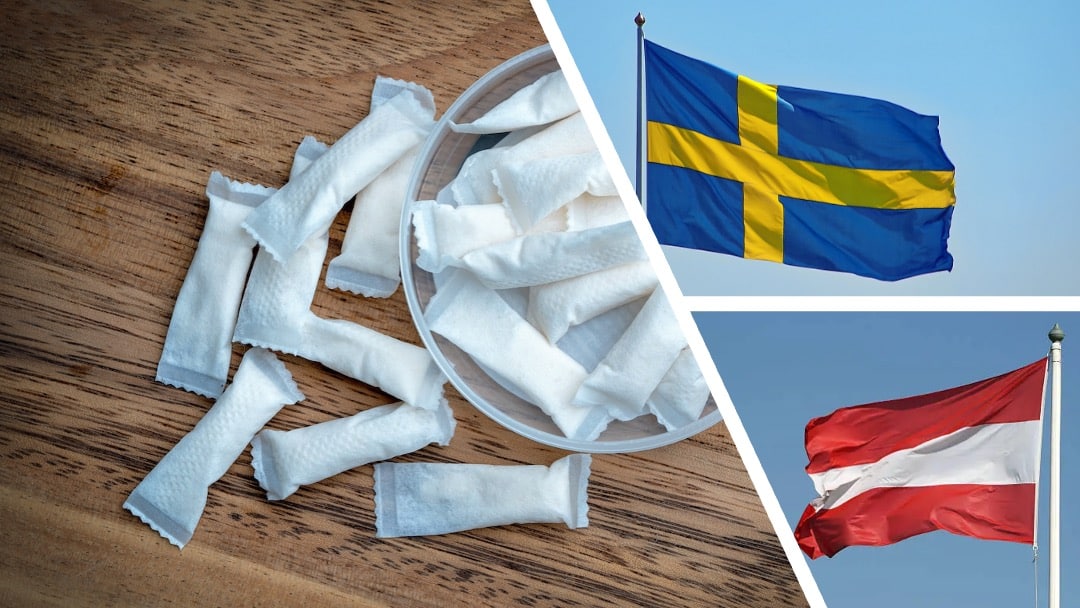
‘The latest case was Austria, which Snusforumet has previously reported on.
In addition, a group of European researchers has recently criticised what they describe as misleading claims about the risks of smokeless nicotine products in the EU debate.
The European Commission is expected to present proposals for updated regulations in the coming years.