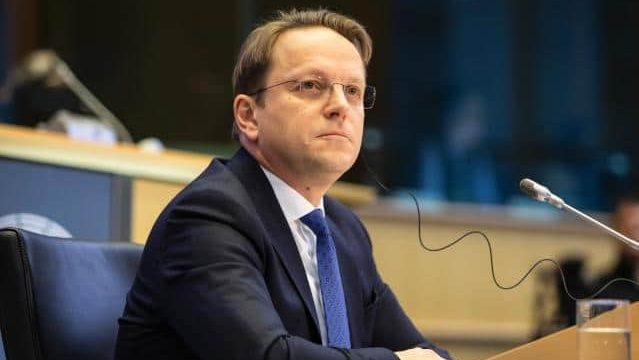
Strömer on moralising, the EU, and Swedish opportunities in 2026
Heading into 2026, the Secretary General of the Swedish Snus Manufacturers’ Association, Patrik Strömer, warns of the denial of facts and political deadlock. At the same time, he sees major opportunities for Sweden to take the lead in harm reduction.
Which political processes do you think will have the greatest impact on harm reduction in 2026?
What will be decisive is, on the one hand, whether Swedish authorities fully implement the policies already decided by the Riksdag and the government, and on the other hand, whether the EU can agree on a sensible harmonisation of regulations for new nicotine products. Sweden’s early industry-wide agreement and clear legislation with age limits, health warnings, and requirements for ingredients demonstrate a model that more countries should follow.
How do you think the issue of harm reduction will develop next year?
Naturally, I want to believe that science and reason will prevail. But we’re living in a politically sensitive environment, and there is a strong tendency to ignore obvious facts. In Sweden, I think we have generally come a long way, but at the same time, I see headlines about “dramatic increases” when in reality we have fewer people smoking, while the number of people using nicotine has remained relatively stable over time. Furthermore, nicotine itself does not carry the same health risks associated with smoking tobacco and inhaling smoke in your lungs.
Do you see a risk that policy will be influenced by organisations that promote a zero-tolerance approach to nicotine?
That risk always exists. Utopian goals can become socially dangerous, either by scapegoating when the impossible is not achieved or by worsening the situation. Sweden is not immune to smuggling and illegal products, but the problems are smaller than in countries with poor regulation, high taxes, and policies that fail to take actual outcomes into account. Morally charged issues also risk being driven by stakeholders who have a hard time considering other perspectives, which worries me more than threats against nicotine pouches from specific EU countries.
What is the most important fact that politicians need to take with them into 2026?
That snus and nicotine pouches are not completely risk-free products, and that nicotine is addictive. But also that it is impossible to overestimate the public health benefits of people quitting smoking because they have access to alternatives. I meet so many people who use snus and tell me they used to smoke. Imagine if it could be like that in other countries too!
What opportunities do you see for Sweden to strengthen its position as a pioneer in harm reduction?
There are major opportunities, of course. But one persistent obstacle is and has for a long time been quiet and unwilling to highlight its successes. There are even Swedish organisations such as the Swedish Cancer Society and A Non Smoking Generation that deny that snus has played a major role in reducing smoking in Sweden. Why deny the obvious? I don’t get it, and views like that don’t deserve any respect.
But for Sweden to take a clearer leadership role, there needs to be a more honest and straightforward discussion about what actually harms public health and what does not. More people should say it as it is: smoking is harmful to people’s health. And people don’t die from snus. Many people enjoy using snus, and the fact that people use snus isn’t a societal-level public health problem. A bit of tolerance for others’ life choices is necessary for a functioning society.